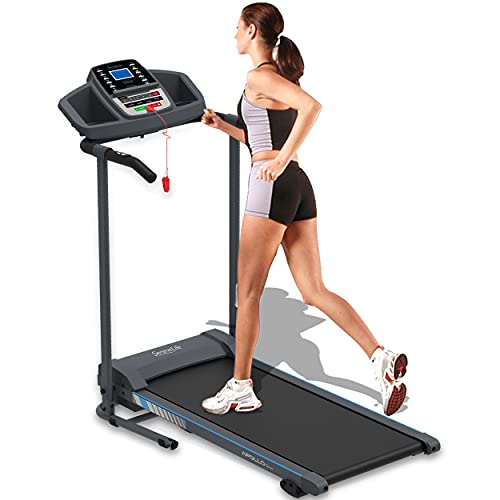
Exploring Non-Motorized Treadmills: Benefits, Features, and Usage
In an age where fitness enthusiasts are progressively selecting environmentally friendly and sustainable exercise equipment, non-motorized treadmills are acquiring recognition. These treadmills supply an easy yet efficient way for users to participate in cardiovascular workout without depending on electric power. This short article delves into the advantages, features, and elements to think about when acquiring a non-motorized treadmill, in addition to answers to regularly asked concerns.
Comprehending Non-Motorized Treadmills
Unlike their motorized counterparts, non-motorized treadmills depend solely on the user's physical effort to initiate motion. When a user walks or works on the belt, the movement propels it forward. They are often described as 'manual treadmills' and are renowned for their density, minimalistic styles, and occupant-directed speed control.
Key Features of Non-Motorized Treadmills
| Feature | Description |
|---|---|
| Style | Streamlined, compact, and often foldable, non-motorized treadmills are developed for home use without requiring a significant footprint. |
| User-Controlled Speed | The user controls the speed by changing their pace, which enables a more customized workout experience. |
| Resistance Levels | Lots of non-motorized treadmills featured adjustable resistance settings, allowing users to increase the strength of their exercises. |
| Durability | Constructed with robust materials, a lot of models promise longevity and endure intense exercises. |
| Very little Maintenance | Without a motor, these treadmills need less upkeep and are less prone to technical concerns. |
Benefits of Non-Motorized Treadmills
- Environmental Sustainability: As they operate without electricity, non-motorized treadmills have actually a lowered environmental footprint.
- Cost-Effectiveness: Typically, these treadmills are more budget-friendly than motorized alternatives, making them a budget-friendly choice for many.
- Higher Caloric Burn: Studies recommend users may burn more calories on non-motorized treadmills due to the extra effort needed to preserve movement.
- Greater Safety: Non-motorized treadmills typically have a lower danger of falling due to their slower speed abilities. Users can also come to a quick come by reducing their speed.
- Better Core Engagement: Many users report better muscle engagement, especially in the core, as keeping balance and speed relies more greatly on the body's stabilizing musculature.
- Customization of Workouts: The lack of a pre-programmed speed permits users to tweak their exercises, combining walking, jogging, and sprinting modes depending on their physical fitness levels.
Contrast of Non-Motorized vs. Motorized Treadmills
| Function | Non-Motorized Treadmills | Motorized Treadmills |
|---|---|---|
| Power Source | Manual | Electric |
| Cost | Generally lower | Normally higher |
| Upkeep | Low | Moderate to high |
| Running Experience | Controlled by user effort | Pre-set speeds offered |
| Portability | Often more portable | Usually bulkier |
Picking the Right Non-Motorized Treadmill
When picking a non-motorized treadmill, there are a number of factors to consider:
- Space Availability: Ensure that you have sufficient space for the treadmill, thinking about both usage and storage area.
- Weight Capacity: Check the maximum weight limitation, especially if multiple users will be utilizing the machine.
- Construction Quality: Look for models made from resilient products to guarantee longevity.
- Budget: Assess your spending plan while bearing in mind that investing in a higher quality machine can cause higher satisfaction and longevity.
- Bonus Features: Some treadmills come geared up with extra functions such as heart rate monitors, incline settings, and even Bluetooth connection.
Frequently Asked Questions (FAQ)
1. Can non-motorized treadmills truly offer a good workout?
Yes, non-motorized treadmills can provide an outstanding cardiovascular exercise. Users can achieve their preferred strength levels by adjusting their speed, which can result in more calories burned compared to using a motorized treadmill at a constant speed.
2. Are non-motorized treadmills suitable for beginners?
Definitely! They appropriate for all fitness levels. Beginners may find the manual speed control allows them to adjust their workouts slowly, building self-confidence and fitness in time.
3. Do non-motorized treadmills have weight limitations?
Yes, many non-motorized treadmills have a specified weight capacity. It's important to examine these limitations before purchasing to guarantee the machine appropriates for the users.
4. Is it easier to work on a non-motorized treadmill compared to a motorized one?
Working on a non-motorized treadmill can feel more challenging due to the fact that you are exclusively accountable for maintaining speed and momentum. This permits for improved engagement of leg muscles and burns more calories.
5. Just how much upkeep do non-motorized treadmills need?
Non-motorized treadmills need less upkeep than motorized models, though users ought to regularly inspect the machine for wear and tear and keep the running surface area tidy.
Non-motorized treadmills represent an exceptional financial investment for people seeking sustainable, reliable, and versatile physical fitness choices. The advantages and functions they use, along with their price and ease of use, make them suitable for a wide variety of fitness lovers. By understanding their significance and performance, people can make educated decisions about incorporating non-motorized treadmills into their fitness routines, enhancing their general health and well-being. Whether at Home Treadmills or in the health club, non-motorized treadmills can rejuvenate a person's technique to cardiovascular exercise and add to a healthier lifestyle.